
Aligned Landowner Partnership
We structure the opportunity around plot potential, practical risk allocation, clear responsibilities, and shared long-term value.
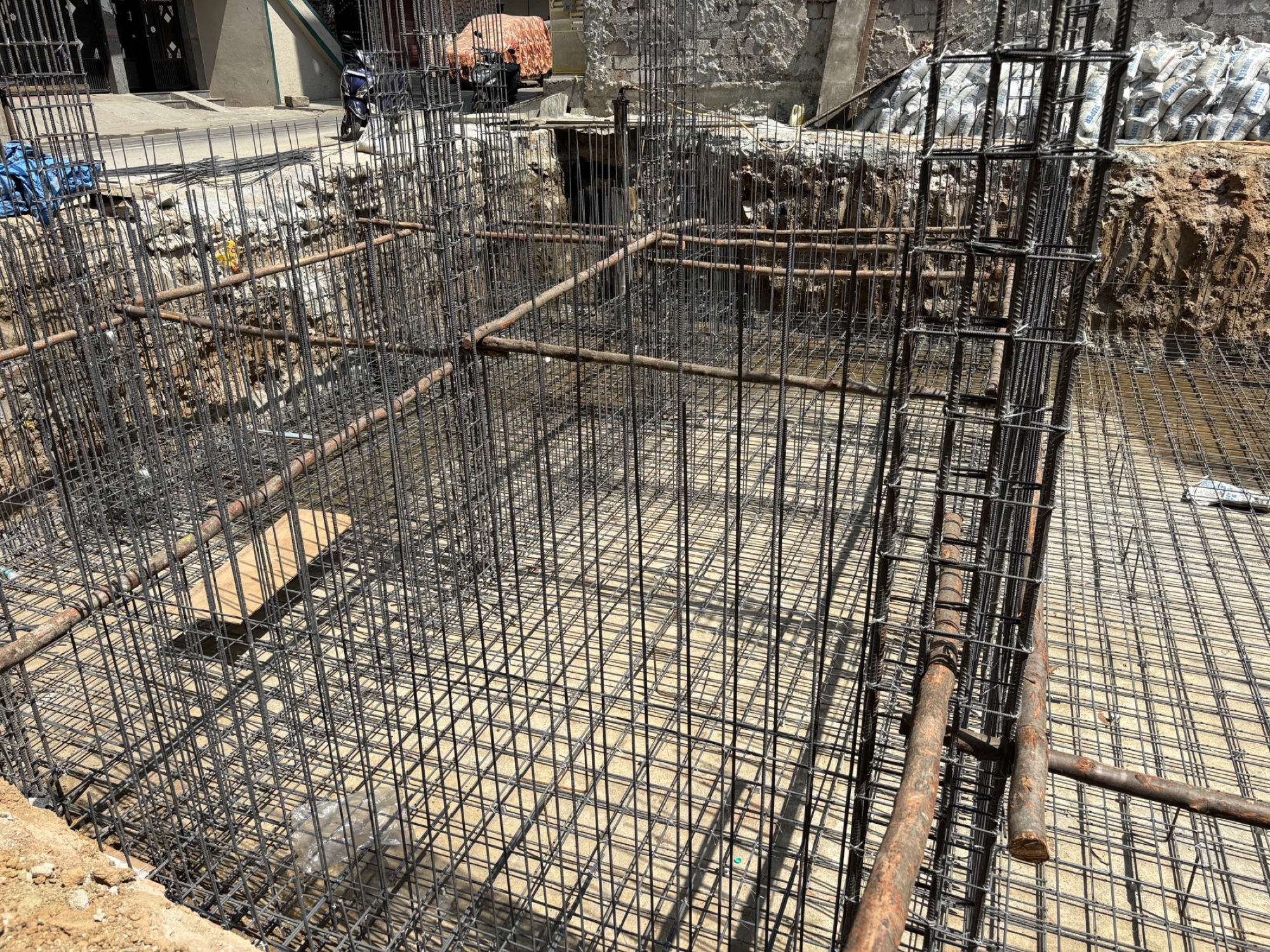
A transparent joint development partnership built around feasibility, shared value, and accountable delivery.
Why Choose Wasat for JOINT DEVELOPMENT
We structure the opportunity around plot potential, practical risk allocation, clear responsibilities, and shared long-term value.
Title inputs, regulations, achievable area, product demand, costs, and returns are evaluated before commercial terms are finalised.
Area sharing, specifications, milestones, approvals, and reporting are recorded clearly to protect every stakeholder.
Our Process
We review location, access, measurements, ownership documents, market demand, and your objectives.
Our team assesses planning potential, buildable area, project costs, likely product mix, and commercial viability.
Commercial terms, specifications, responsibilities, approvals, and delivery milestones are documented.
Construction is managed with progress reporting through completion, handover, and agreed area allocation.
Frequently Asked Questions
In a joint development, the landowner contributes development rights while the developer manages approvals, funding, construction, and delivery. The completed area or project revenue is shared according to the registered agreement.
The share depends on location, plot dimensions, permitted development, access, market value, construction cost, project risk, and the agreed product. A feasibility study supports the commercial proposal.
Typically we need the title deed, khata, tax receipts, survey or sketch, encumbrance certificate, and available approval records. A legal professional must verify title before a binding agreement.
The responsibilities are set out in the joint development agreement. Wasat can coordinate design, approvals, consultants, procurement, construction, quality control, and handover within the agreed scope.
The agreement should record specifications, plans, milestones, reporting, allocation, completion obligations, and remedies. Landowners should obtain independent legal and tax advice before signing.